




What are the anti - corrosion properties of an eyewasher?
 Oct 30, 2025|
 Hey there! As an eyewasher supplier, I've been getting a lot of questions lately about the anti - corrosion properties of eyewashers. So, I thought I'd write this blog to share some insights on this important topic.
First off, why is anti - corrosion so crucial for eyewashers? Well, eyewashers are often used in environments where they're exposed to various chemicals, moisture, and other potentially corrosive substances. These can include acids, alkalis, and salts. If an eyewasher starts to corrode, it can not only affect its appearance but also its functionality. A corroded eyewasher might not deliver water properly, which is a huge safety risk in case of an eye - related emergency.
Let's talk about the materials used in eyewashers that contribute to their anti - corrosion properties. One of the most common materials is stainless steel. Stainless steel is a great choice because it contains chromium, which forms a thin, protective oxide layer on the surface. This layer acts as a barrier, preventing oxygen and moisture from reaching the underlying metal and causing corrosion. It's like a shield that keeps the eyewasher in good shape for a long time.
Another material you might find in some eyewashers is high - density polyethylene (HDPE). HDPE is a type of plastic that is highly resistant to many chemicals. It doesn't rust or corrode like metal, and it can withstand exposure to a wide range of substances without degrading. This makes it a popular option for eyewashers in industrial settings where chemical spills are a concern.
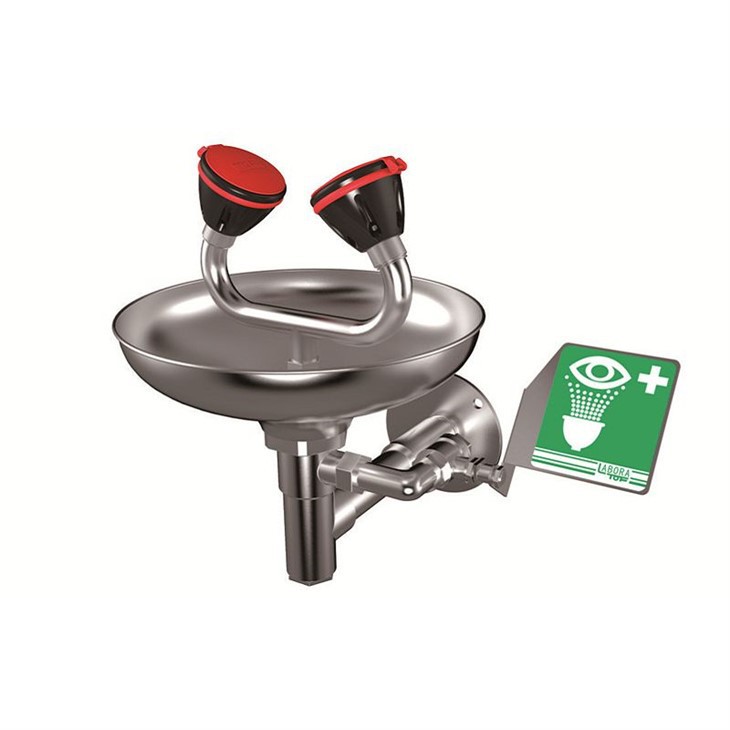

Now, let's look at some specific features of eyewashers that enhance their anti - corrosion capabilities. Many modern eyewashers come with a powder - coated finish. This finish is applied electrostatically and then baked onto the surface of the eyewasher. It provides an extra layer of protection against corrosion, as well as making the eyewasher more durable and resistant to scratches.
Some eyewashers also have a Pass - through Chamber. This chamber can help in keeping the internal components of the eyewasher dry and protected from corrosive elements. It allows water to flow through while preventing contaminants from entering and causing damage.
The Laboratory Stainless Steel Pathology Grossing Table is another related product that often shares similar anti - corrosion properties. It's made of stainless steel, which means it can resist corrosion from the chemicals used in laboratory settings. This is important because it ensures the table remains in good condition and can be used safely for a long time.
When it comes to the nozzles of the eyewasher, they're also designed with anti - corrosion in mind. Most nozzles are made of materials like brass or plastic. Brass is often coated with a protective layer to prevent corrosion, while plastic nozzles are inherently resistant to many corrosive substances. This ensures that the water can flow smoothly through the nozzles without any blockages caused by corrosion.
The Double - Ported Eyewasher is a great example of an eyewasher that combines functionality with anti - corrosion features. Its design allows for a more efficient flow of water, and the materials used are carefully selected to resist corrosion. Whether it's in a factory, a laboratory, or a chemical plant, this eyewasher can stand up to the harsh conditions.
But it's not just about the materials and design. Proper maintenance also plays a huge role in maintaining the anti - corrosion properties of an eyewasher. Regular cleaning is essential. You should clean the eyewasher with mild soap and water to remove any dirt, debris, or chemical residues. Avoid using abrasive cleaners, as they can scratch the surface and damage the protective layer.
It's also a good idea to inspect the eyewasher regularly for any signs of corrosion. Look for rust spots, discoloration, or any other visible damage. If you notice any issues, it's important to address them right away. You might need to replace a part or apply a protective coating to prevent further corrosion.
In addition to regular cleaning and inspection, you should also follow the manufacturer's guidelines for maintenance. These guidelines are based on extensive testing and are designed to keep the eyewasher in optimal condition. For example, some eyewashers might require periodic flushing to prevent the buildup of sediment or bacteria.
Now, if you're in the market for an eyewasher, you want to make sure you choose one with excellent anti - corrosion properties. As a supplier, I can offer you a wide range of eyewashers that are designed to meet your specific needs. Whether you need a simple single - ported eyewasher for a small workshop or a more advanced double - ported eyewasher for a large industrial facility, I've got you covered.
I understand that safety is your top priority, and that's why I only offer high - quality eyewashers. All of our products are made from the best materials and are rigorously tested to ensure they meet the highest standards of anti - corrosion performance.
If you're interested in learning more about our eyewashers or if you have any questions about anti - corrosion properties, don't hesitate to reach out. We can have a chat about your requirements and find the perfect eyewasher for your situation. Whether it's for a new installation or a replacement, we can help you make the right choice.
In conclusion, the anti - corrosion properties of eyewashers are essential for their long - term performance and safety. By choosing the right materials, design, and following proper maintenance procedures, you can ensure that your eyewasher will be reliable when you need it most. So, if you're looking for an eyewasher that can stand up to the test of time and harsh environments, give me a shout. We can start the conversation about getting you the best eyewasher for your needs.
References:
- General knowledge on materials science and corrosion prevention.
- Manufacturer's guidelines for eyewasher maintenance and product specifications.