




What is the effect of air pressure on a lab extraction arm?
 Aug 08, 2025|
 Hey there! As a supplier of lab extraction arms, I've seen firsthand how crucial these pieces of equipment are in a laboratory setting. One factor that often gets overlooked but has a significant impact on the performance of a lab extraction arm is air pressure. In this blog post, I'm going to break down what air pressure is, how it affects a lab extraction arm, and why it matters for your lab.
What is Air Pressure?
Let's start with the basics. Air pressure is the force exerted by the weight of air molecules in the atmosphere. It's all around us, and we usually don't even notice it. But in a laboratory, air pressure can play a big role in how well your extraction arm works.
Think of air pressure like a push or a pull. High air pressure means there are more air molecules pushing down on an area, while low air pressure means there are fewer molecules, creating a sort of vacuum or pulling effect. In a lab, these pressure differences can affect the flow of air through your extraction arm.
How Air Pressure Affects Lab Extraction Arms
Now, let's get into the nitty - gritty of how air pressure impacts lab extraction arms.
Airflow and Suction
The main function of a lab extraction arm is to capture and remove harmful fumes, gases, and particles from the air in a laboratory. This is done through suction, which is directly related to air pressure.
When there's a significant difference in air pressure between the inside of the extraction arm and the surrounding environment, air will flow from an area of high pressure to an area of low pressure. In the case of a lab extraction arm, the goal is to create a low - pressure area inside the arm so that the contaminated air from the lab gets sucked in.
If the air pressure outside the extraction arm is too high or too low compared to the pressure inside, it can disrupt the normal airflow. For example, if the external air pressure is much higher than the pressure inside the arm, it can make it harder for the arm to draw in the contaminated air. On the other hand, if the external pressure is too low, it might cause the air to flow out of the arm instead of in, defeating the purpose of the extraction.
Arm Movement and Flexibility
Air pressure can also affect the physical movement and flexibility of a lab extraction arm. Many extraction arms are designed to be adjustable, allowing you to position them exactly where you need them to capture the fumes.
The air pressure around the arm can create resistance as you move it. High air pressure can make it more difficult to move the arm, especially if the design of the arm doesn't account for this extra force. This can be a real pain in the neck for lab technicians who need to quickly reposition the arm during an experiment.
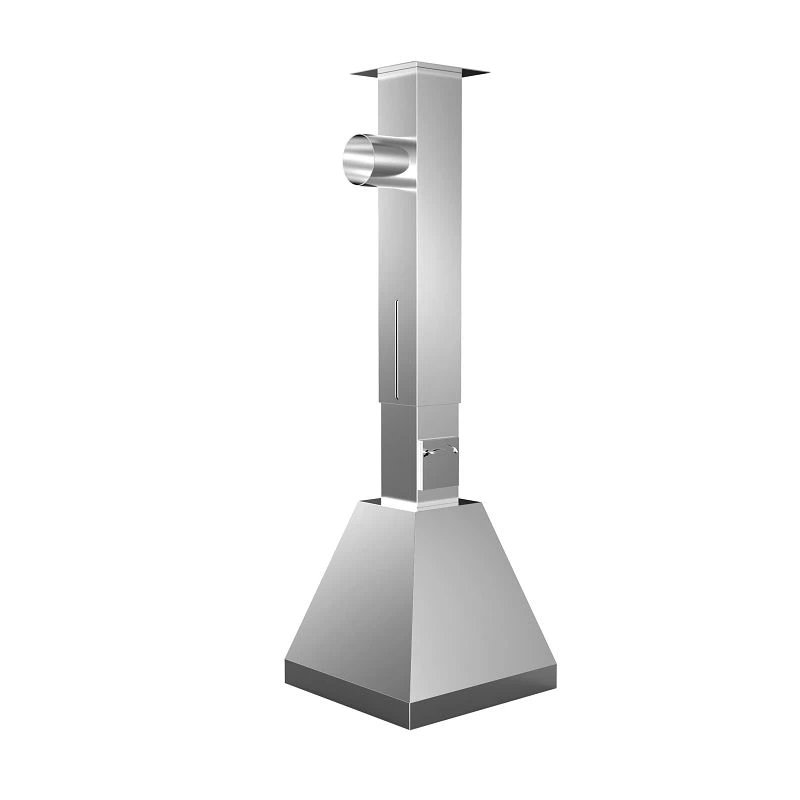

Efficiency of Filtration
Another important aspect is the efficiency of the filtration system in the extraction arm. The filtration process relies on a proper airflow to trap the contaminants effectively.
If the air pressure is not right, the airflow through the filters can be uneven. This means that some parts of the filter might get more air passing through them than others, leading to uneven wear and reduced filtration efficiency. Over time, this can result in the filter not being able to capture all the harmful substances, putting the lab workers at risk.
Different Types of Lab Extraction Arms and Air Pressure
There are various types of lab extraction arms available in the market, and each one can respond differently to air pressure changes.
Atomic Absorption Spectrophotometer
This type of extraction arm is specifically designed for use with atomic absorption spectrophotometers. These instruments often produce very fine particles and fumes during operation.
The extraction arm needs to have a consistent and strong suction to capture these tiny particles. Air pressure variations can have a big impact on its ability to do this. If the air pressure is too high outside, it can prevent the arm from drawing in the fine particles effectively, leading to contamination in the lab environment.
Double - Section Lab Arm Hood
Double - section lab arm hoods offer more flexibility in terms of positioning and reach. However, because they have a larger surface area exposed to the surrounding air, they are more susceptible to air pressure changes.
High air pressure can create more drag on the two sections of the arm, making it harder to move and adjust. Additionally, the larger surface area means that there's a greater chance of uneven air pressure distribution, which can affect the overall airflow and suction of the arm.
110mm diameter Arm Hood
The 110mm diameter arm hood is a popular choice for many labs due to its compact size and relatively high suction power. But even this type of arm can be affected by air pressure.
A small change in air pressure can have a more noticeable effect on the airflow through a smaller - diameter arm. If the pressure outside the arm is too high, it can quickly block the airflow into the arm, reducing its ability to capture fumes and particles.
Why Air Pressure Matters for Your Lab
You might be wondering, "Why should I care about air pressure when it comes to my lab extraction arm?" Well, there are a few good reasons.
Safety
The most important reason is safety. Lab workers are constantly exposed to harmful chemicals and substances. A properly functioning extraction arm is essential for protecting them from inhaling these contaminants. If air pressure disrupts the performance of the extraction arm, it can put the health and safety of your lab staff at risk.
Equipment Longevity
Air pressure - related issues can also affect the lifespan of your extraction arm. Uneven airflow due to pressure changes can cause premature wear and tear on the components of the arm, such as the motor, filters, and joints. This means you'll have to replace parts more frequently, which can be costly in the long run.
Regulatory Compliance
Many laboratories are subject to strict regulations regarding air quality and ventilation. If your extraction arm isn't working properly due to air pressure problems, you might not be able to meet these regulatory requirements. This can lead to fines and other legal issues for your lab.
Tips for Dealing with Air Pressure in Your Lab
So, what can you do to ensure that air pressure doesn't negatively impact your lab extraction arm?
Monitor Air Pressure
Invest in a good air pressure monitoring device for your lab. This will allow you to keep an eye on the air pressure levels and make adjustments as needed. You can set up alerts so that you're notified if the air pressure goes outside of a safe range.
Choose the Right Extraction Arm
When selecting a lab extraction arm, consider the air pressure conditions in your lab. If your lab has a high - pressure environment, look for an arm that is designed to handle these conditions. Our team can help you choose the best extraction arm for your specific needs.
Regular Maintenance
Regular maintenance is key to keeping your extraction arm working properly. This includes cleaning the filters, checking the seals, and lubricating the moving parts. A well - maintained arm is better able to withstand air pressure changes.
Wrapping It Up and Reaching Out
As you can see, air pressure plays a vital role in the performance of a lab extraction arm. From airflow and suction to arm movement and filtration efficiency, every aspect of the arm can be affected by air pressure.
If you're in the market for a new lab extraction arm or need help with your existing one, don't hesitate to get in touch. We're here to provide you with the best solutions and ensure that your lab is a safe and healthy environment. Whether you're dealing with high or low air pressure, we have the expertise to help you make the right choices.
References
- Brown, J. (2018). Laboratory Ventilation: Principles and Practices. Science Press.
- Green, A. (2020). Air Pressure and Its Effects on Industrial Equipment. Engineering Journal.
- Smith, R. (2019). The Impact of Airflow on Lab Extraction Arms. Laboratory Technology Magazine.