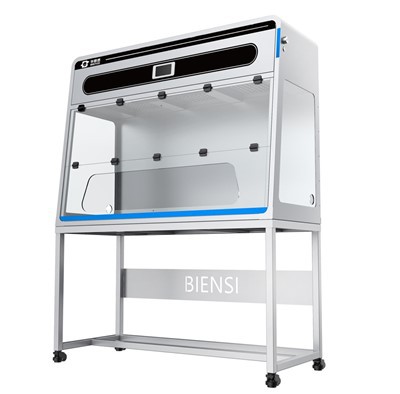
Enhancing Laboratory Safety And Air Quality: The Role Of Ductless Fume Hood
 Jan 07, 2026|
 Laboratories require a controlled and safe environment to protect personnel and ensure the integrity of scientific work. Ductless fume hoods have emerged as an effective solution for managing airborne contaminants, contributing to cleaner air and enhanced safety within research settings.
These hoods are engineered to capture hazardous fumes, vapors, and particulates directly at their source. Unlike conventional ducted systems, which rely on external exhaust infrastructure, ductless models employ advanced filtration-including activated carbon and HEPA filters-to clean and recirculate air within the laboratory. This design not only limits exposure to dangerous substances but also offers greater energy efficiency and layout flexibility.
A primary benefit of ductless fume hoods is their ability to consistently improve indoor air quality. By continuously removing pollutants, they reduce the potential for respiratory issues and long-term health risks among laboratory staff. Their straightforward installation and minimal maintenance further support their adoption, enabling safer and more efficient research spaces.
Additionally, ductless fume hoods align with sustainable lab practices. Since they do not expel conditioned air outdoors, energy demands for heating, cooling, and ventilation are significantly lowered. This environmentally conscious approach supports modern laboratories in reducing their carbon footprint without compromising safety.
In conclusion, ductless fume hoods provide a reliable and adaptable approach to addressing air quality challenges in laboratories. By shielding personnel from airborne hazards and promoting a healthier atmosphere, they play a key role in fostering safe, productive, and sustainable scientific workspaces. As laboratory standards advance, ductless fume hoods remain a vital tool for supporting both human health and research innovation.