




Can I stack a dryer on top of a washer?
 Nov 11, 2026|
Hey everyone, thanks for swinging by the blog. Today, I’m answering one of the most common questions I get as a washer supplier: Can I stack a dryer on top of a washer? If you’ve ever been short on laundry space (guilty—my apartment’s laundry closet is smaller than my walk-in pantry), this is probably a question that’s crossed your mind. Let’s break this down like we’re chatting over coffee, no jargon, promise.
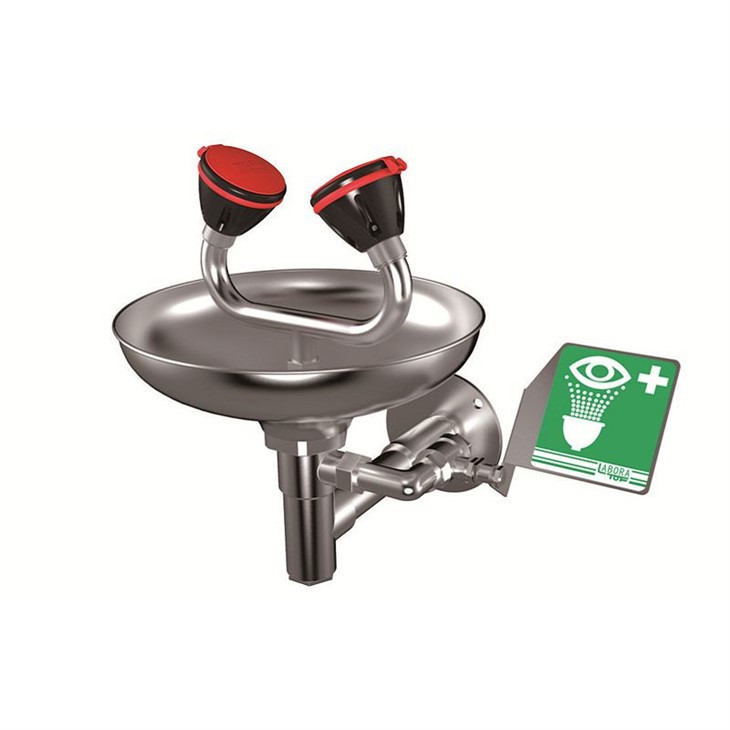
First off, let’s get the basics straight. Stacking a washer and dryer is totally doable for most standard models, but it’s not just piling them on top of each other and calling it a day. There’s a whole system to this, and if you skip the details, you could end up with a dryer that’s leaning, a washer that’s vibrating like crazy, or even worse—safety hazards we never want to deal with. Wait, speaking of safety, I know this might sound random, but when I’m prepping for equipment installations (yes, even laundry stuff), I always keep safety in mind. That’s why I reference things like lab safety gear when I think about proper setup protocols. Like, if you’re dealing with heavy appliances, stable bases are non-negotiable—same as how you’d make sure you’ve got the right safety gear for any work. Speaking of that, if you’re into lab safety equipment (hey, no judgment), check out this Double-Ported Eyewasher if you’re in a space where spills or splashes are a risk—wait, probably not related to laundry, but it’s a good reminder that safety starts with the right foundation, whether it’s lab work or home appliances.
Back to stacking. Let’s start with the models that work. Most front-loading washers and dryers are designed to be stacked, right? Top-loaders are way trickier—their loading door is on top, so stacking a dryer on top would mean you can’t open the washer door at all. So if you have a top-loader, scratch that plan unless you’re okay with never doing a middle-load wash. Front-loading units are built with flat tops, which makes stacking a lot more feasible. But even then, not every pair is meant to stack. That’s where checking the manufacturer’s specs comes in—my team always reminds customers to confirm stacking compatibility before buying, which is why we curate our inventory to only include washer models that pair well with compatible dryers for stacking.
Now, the most important part: the stacking kit. You can’t just plop a dryer on a washer and call it a day. Stacking kits are like the glue (but way safer) that keeps everything secured. These kits usually come with metal brackets that attach to both the washer and dryer, so the top unit doesn’t slide off during the spin cycle—trust me, spin cycles are where the vibration gets real. If you don’t use a kit, you’re risking the dryer shifting, which could damage the appliance, your walls, or even you if it falls. I’ve heard horror stories from customers who tried skipping the kit and ended up with a dryer that rolled off the washer onto their laundry basket—ruined a load of towels and a good chunk of their pride.
Wait, let’s talk about weight. Dryers are pretty heavy, especially if they have a larger capacity. Your washer needs to be able to support that weight, right? That’s another reason why front-loaders are better for stacking—they’re generally sturdier than top-loaders, built to handle the pressure of water and high spin speeds. If you have a smaller, compact washer, double-check its weight capacity before stacking. My team can help you figure that out, just shoot us a message.
Another thing to consider: clearance and venting. Dryers need proper ventilation, whether they’re stacked or not. If you’re stacking, make sure there’s enough space on the sides and back for the dryer vent hose to connect without being kinked. Kinked hoses cause dryers to work harder, which can lead to overheating—definitely a safety no-no. Also, don’t forget about access. If you ever need to repair the washer, can you get to it easily without having to move the dryer? Some people install a pull-out shelf or a sliding bracket for the dryer to make access easier, which is a smart move.
Let’s circle back to that safety thing I mentioned earlier. When you’re dealing with heavy, moving appliances, it’s easy to overlook small safety steps. That’s why I always think about things like having clear access to emergency equipment—even in your home. If you’ve got a laundry space where you might be using water or other cleaners, having a way to address splashes fast is a good idea. For example, an Eyewasher (yeah, this one is actually more relevant if you have messy laundry days with bleach or stain removers) can be a lifesaver if you get something in your eyes. It’s not part of stacking a dryer and washer, but it’s a good reminder that safety in any space means being prepared for the small stuff, too.
Now, what about if you’re in a small apartment and really need to stack, but your models don’t work? Is there a workaround? Some people use a stacking adapter that’s designed to fit specific washer and dryer brands, but I’d caution against generic adapters—they might not be sturdy enough. My advice here is to either look for a matching pair from the same brand (most have pre-made stacking kits that are tested for compatibility) or if you’re set on different brands, double-check that both the washer and dryer are designed to handle stacking separately, and then invest in a heavy-duty universal kit. Also, make sure the floor in your laundry space is level—uneven floors can throw off the balance of stacked appliances, leading to more vibration and even wear and tear over time. I always recommend using a level tool to check, and if needed, add shims under the washer to get it straight.
Let’s talk about installation, too. If you’re not comfortable moving heavy appliances (and you shouldn’t be if you’re not—appliances are way heavier than they look), hire a professional. I know it’s tempting to save a few bucks, but a bad installation can lead to damage, safety risks, and even voided warranties. Our team actually works with local installers who specialize in washer and dryer setups, so if you need a recommendation, just reach out. And hey, while we’re on the topic of setup, if you ever work in a lab environment (another side note—our safety equipment is for more than just labs, but if you do need a Pass-through Chamber for transferring samples or gear between spaces, that’s another great product to check out for any work areas), taking the time to do setup right pays off in the long run.
Wait, let’s get back to the original question: Can I stack a dryer on top of a washer? The short answer is yes, but only if you do it right. Let’s recap the non-negotiables:
- Make sure both appliances are designed for stacking (front-loaders work best, top-loaders are a no-go for most).
- Use a manufacturer-approved stacking kit—don’t wing it.
- Ensure the washer can support the dryer’s weight.
- Check for proper venting and clearance.
- Make sure your floor is level.
- If you’re not confident installing it, call a pro.
I’ve seen so many customers stress about laundry space, and stacking is a great solution when done correctly. But I always tell people that it’s better to have a little extra space than to force a bad setup. For example, if your laundry closet is only 24 inches wide, a stacked set might work, but if it’s narrower, you might need to go with a side-by-side pair. My team can help you measure your space and find the best washer (and matching dryer) for your needs—we’ve been doing this for years, so we know the ins and outs of every model.
Now, a quick note on safety again, because I can’t stress it enough. Even with laundry, accidents happen. If you use any harsh chemicals for pre-treating stains, having a way to flush your eyes if you get splashed is a good call. That’s where an Eyewasher comes in handy—small, easy to install, and a must-have for any space where you’re working with liquids that could irritate your eyes. It’s not just for labs, like I thought earlier—laundry rooms with bleach, ammonia-based cleaners, or even just sudsy water can be risky if you’re doing a lot of moving around.
Also, let’s not forget about maintenance. Stacked appliances need a little extra TLC. Every few months, check the stacking kit to make sure all the brackets are tight—vibration can loosen things over time. Clean the dryer vent regularly (clogged vents are a fire hazard, by the way) and make sure the washer’s feet are still level. A quick check every few months is way easier than dealing with a problem later.
I know this blog is mostly about stacking, but I’ve got to say—when I’m not helping customers find the right washers for their homes, I also follow up on safety tips for all kinds of spaces. Like, if you’re setting up a lab or a workspace where you need to move equipment between areas, a Pass-through Chamber is a smart way to do it safely, keeping contaminants from spreading. It’s a whole different world from laundry, but the principle is the same: proper setup and safety gear make all the difference.
At the end of the day, stacking a dryer on a washer is totally possible, but it’s not a project to take lightly. If you’re in the market for a new washer and dryer, or you’re curious if your current ones can be stacked, my team is here to help. We’ve got a wide range of washers designed to pair with compatible dryers, and we can walk you through every step—from measuring your space to making sure the setup is safe.
If you’re ready to chat about your laundry space needs, or you just have more questions about stacking, feel free to reach out to our team for a procurement discussion. We’re here to make sure you get the right appliances for your home, and that they’re set up safely and correctly.
Before I sign off, let me leave you with a quick tip from personal experience: I have a compact front-loader and matching dryer stacked in my studio apartment, and it’s been a game-changer for space. But I made sure to use the manufacturer’s stacking kit, have my space professionally leveled, and check the brackets every few months. No issues so far, and I’ve got way more room for my couch than if I had side-by-side units.
Thanks for reading, and if you have any other appliance questions, drop them in the comments or shoot us a message. We love helping out fellow laundry space strugglers. Cheers!

References:
- U.S. Department of Energy. (2022). Energy Efficiency Guide for Home Appliances: Washers and Dryers.
- International Association of Plumbing and Mechanical Officials (IAPMO). (2021). Residential Laundry Appliance Installation Standards.
- National Fire Protection Association (NFPA). (2020). Fire Safety in Laundry Rooms.