




How do you install an emergency shower in a mobile workspace?
 Aug 15, 2025|
Hey there! I'm working for an emergency shower supplier, and I often get asked about installing emergency showers in mobile workspaces. It's a crucial topic, especially considering the safety of workers in these dynamic environments. So, let's dive right into how you can install an emergency shower in a mobile workspace.
Why You Need an Emergency Shower in a Mobile Workspace
First off, you might be wondering why an emergency shower is necessary in a mobile workspace. Well, mobile workspaces, like construction sites, mining camps, or oil rigs, often involve handling hazardous chemicals or working in high - risk situations. In case of an accident where a worker gets exposed to harmful substances, an emergency shower can be a lifesaver. It provides immediate decontamination, which can significantly reduce the severity of injuries.
Choosing the Right Emergency Shower
Before you start the installation process, you need to pick the right emergency shower for your mobile workspace. We offer a variety of options to suit different needs.
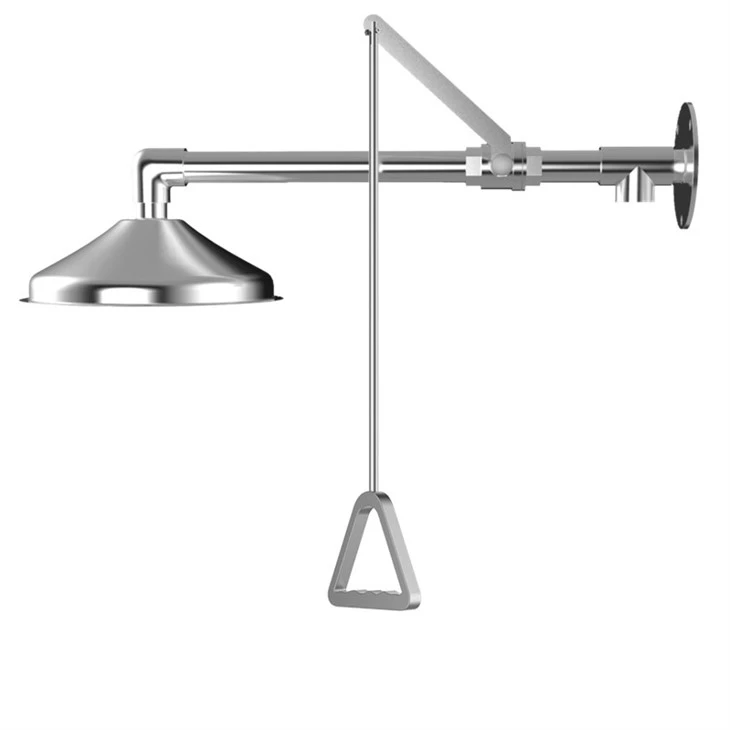
- Suspended Emergency Shower: This type is great for mobile workspaces where floor space is limited. You can hang it from the ceiling or a sturdy support structure. It's a space - saving solution that still provides effective coverage. Check out more details about the Suspended Emergency Shower.
- Cable Heating Emergency Shower: In cold environments, a cable heating emergency shower is a must. It prevents the water from freezing, ensuring that the shower is always ready for use. To learn more about this option, visit Cable Heating Emergency Shower.
- Emergency Shower with Eye Washer: This is a comprehensive solution that not only provides a full - body shower but also has an eye washer. It's ideal for workspaces where eye exposure to chemicals is a risk. Find out more about the Emergency Shower with Eye Washer.
Pre - installation Considerations
Once you've chosen the right emergency shower, there are a few things you need to consider before starting the installation.
Location
The location of the emergency shower is crucial. It should be easily accessible within 10 seconds from the work area where hazardous substances are used. Make sure there are no obstacles in the way, and the path to the shower is clearly marked. Also, it should be installed in an area that is well - ventilated to prevent the buildup of fumes.
Water Supply
You need to have a reliable water supply for the emergency shower. In a mobile workspace, this can be a challenge. You can use a water tank if there is no direct water connection available. The water tank should be large enough to provide at least 15 minutes of continuous water flow at a rate of 20 gallons per minute.
Drainage
Proper drainage is essential to prevent water from pooling around the shower area. You can install a floor drain or a drainage system that directs the water away from the workspace. Make sure the drainage system is designed to handle the volume of water from the emergency shower.

Installation Steps
Step 1: Prepare the Installation Site
Clear the area where the emergency shower will be installed. If you're installing a suspended shower, make sure the support structure is strong enough to hold the weight of the shower and the water. If it's a floor - mounted shower, ensure the floor is level and can support the shower.
Step 2: Assemble the Emergency Shower
Follow the manufacturer's instructions to assemble the emergency shower. This usually involves attaching the showerhead, pipes, and any additional components like the eye washer. Make sure all the connections are tight to prevent leaks.
Step 3: Connect the Water Supply
If you're using a water tank, connect the shower to the tank using the appropriate pipes and fittings. If there is a direct water connection, ensure that the water pressure is sufficient. You may need to install a pressure regulator if the water pressure is too high or too low.
Step 4: Install the Drainage System
If you haven't already, install the drainage system. Connect the drain to the shower and make sure it is properly sealed to prevent leaks.
Step 5: Test the Emergency Shower
Once the installation is complete, test the emergency shower to make sure it is working properly. Turn on the water and check for any leaks or blockages. Make sure the water flow is strong enough and that the eye washer, if installed, is functioning correctly.
Maintenance and Inspection
After the installation, regular maintenance and inspection are necessary to ensure the emergency shower is always in good working condition.
- Regular Checks: Check the water supply, drainage system, and all the connections on a monthly basis. Look for any signs of leaks, corrosion, or damage.
- Water Quality: Test the water quality regularly to make sure it is safe for use. If the water contains contaminants, you may need to install a water treatment system.
- Function Testing: Test the emergency shower at least once a week to ensure it is ready for use in an emergency.
Conclusion
Installing an emergency shower in a mobile workspace is a critical step in ensuring the safety of your workers. By choosing the right shower, following the proper installation steps, and performing regular maintenance, you can have a reliable emergency response system in place.
If you're interested in purchasing an emergency shower for your mobile workspace or have any questions about the installation process, don't hesitate to get in touch with us. We're here to help you make the right choice and ensure a smooth installation.
References
- OSHA guidelines on emergency showers and eyewash stations.
- Manufacturer's installation and maintenance manuals for emergency showers.