




How to improve the energy efficiency of a fume hood's fan?
 May 15, 2026|
 As a fume hood supplier, I've witnessed firsthand the critical role that fume hoods play in maintaining a safe and healthy working environment, especially in laboratories and industrial settings. One of the most significant concerns for users of fume hoods is the energy consumption of their fans. High energy usage not only drives up operational costs but also has environmental implications. In this blog, I'll share some practical strategies on how to improve the energy efficiency of a fume hood's fan.
1. Optimize Fan Selection
The first step in improving energy efficiency is to choose the right fan for your fume hood. The fan should be sized appropriately to meet the specific requirements of the fume hood. An oversized fan will consume more energy than necessary, while an undersized fan may not provide adequate ventilation.
When selecting a fan, consider the following factors:
- Airflow Requirements: Determine the required airflow rate (in cubic feet per minute, CFM) based on the size of the fume hood and the type of work being performed. This information can usually be found in the fume hood's specifications or calculated using industry standards.
- Static Pressure: The fan must be able to overcome the static pressure created by the ductwork, filters, and other components in the ventilation system. A fan with a higher static pressure rating will be able to maintain the required airflow even when there are restrictions in the system.
- Efficiency Rating: Look for fans with high efficiency ratings, such as those that meet the Energy Star criteria. These fans are designed to consume less energy while providing the same level of performance.
2. Implement Variable Speed Drives (VSDs)
Variable speed drives (VSDs) are an effective way to reduce the energy consumption of a fume hood's fan. A VSD allows the fan to operate at different speeds depending on the actual demand for ventilation. When the fume hood is not in use or when the airflow requirements are low, the fan can be set to run at a lower speed, consuming less energy.
Here are some benefits of using VSDs:
- Energy Savings: By adjusting the fan speed to match the actual demand, VSDs can significantly reduce energy consumption. Studies have shown that VSDs can save up to 50% of the energy used by a fume hood's fan.
- Improved Comfort: VSDs can also help to improve the comfort of the working environment by reducing the noise level of the fan. When the fan is running at a lower speed, it produces less noise, which can be beneficial for workers.
- Extended Equipment Life: By reducing the stress on the fan motor, VSDs can help to extend the life of the fan and other components in the ventilation system. This can result in lower maintenance costs and fewer downtime.
3. Maintain and Clean the Fan Regularly
Regular maintenance and cleaning of the fan are essential for ensuring its optimal performance and energy efficiency. Over time, dust, dirt, and other debris can accumulate on the fan blades and in the ductwork, which can reduce the airflow and increase the energy consumption of the fan.
Here are some maintenance tasks that should be performed regularly:
- Clean the Fan Blades: Use a soft brush or compressed air to remove any dust or debris from the fan blades. This will help to improve the airflow and reduce the energy consumption of the fan.
- Inspect the Ductwork: Check the ductwork for any leaks or blockages. Leaks in the ductwork can cause the fan to work harder to maintain the required airflow, which can increase the energy consumption.
- Replace the Filters: Replace the filters in the fume hood regularly to ensure that they are working effectively. Clogged filters can restrict the airflow and increase the energy consumption of the fan.
4. Use Energy-Efficient Fume Hood Designs
In addition to optimizing the fan, choosing an energy-efficient fume hood design can also help to reduce the energy consumption of the ventilation system. There are several types of fume hoods available on the market, each with its own unique features and energy-saving capabilities.
Some energy-efficient fume hood designs include:
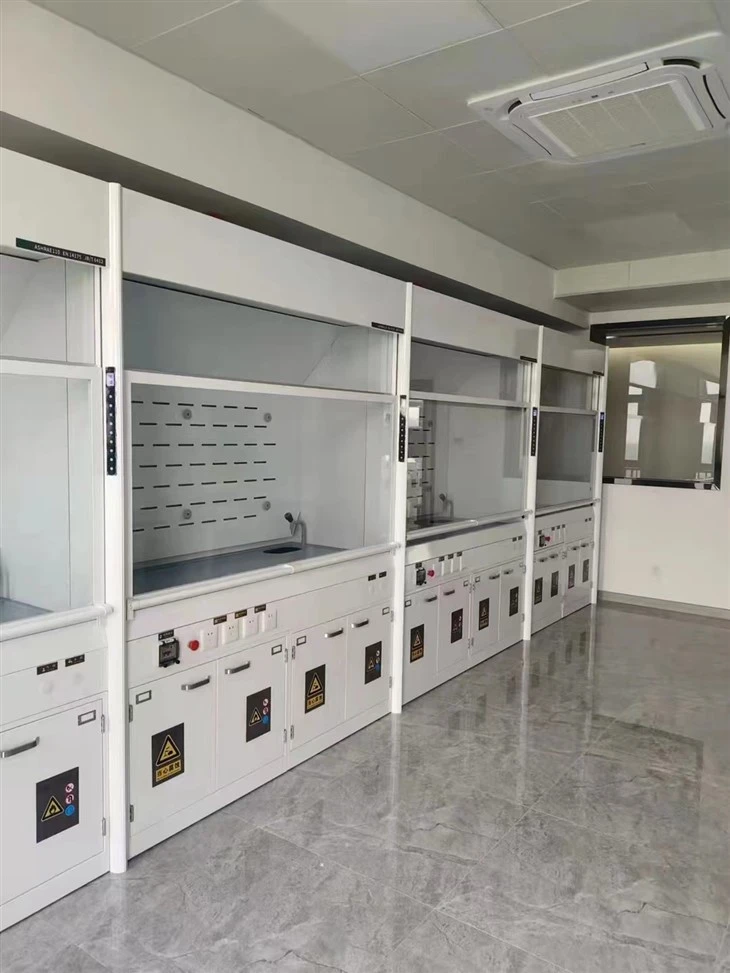

- Auxiliary Air Fume Hood: This type of fume hood uses a combination of recirculated air and fresh air to provide ventilation. By using recirculated air, the fume hood can reduce the amount of energy required to heat or cool the incoming fresh air.
- Drawers Fume Hood: Drawers fume hoods are designed to provide a high level of containment while using less energy. These fume hoods use a unique drawer system to isolate the work area from the surrounding environment, reducing the amount of air that needs to be exhausted.
- Zero-leak Fume Hood: Zero-leak fume hoods are designed to prevent any leakage of hazardous chemicals or fumes. These fume hoods use a combination of gaskets, seals, and other technologies to ensure a tight seal, reducing the amount of air that needs to be exhausted.
5. Monitor and Control the Ventilation System
Monitoring and controlling the ventilation system is essential for ensuring its optimal performance and energy efficiency. By using sensors and control systems, you can monitor the airflow, temperature, and other parameters of the ventilation system in real-time and make adjustments as needed.
Here are some ways to monitor and control the ventilation system:
- Install Sensors: Install sensors in the fume hood and ductwork to monitor the airflow, temperature, and other parameters. These sensors can provide real-time data that can be used to optimize the performance of the ventilation system.
- Use a Building Automation System (BAS): A BAS can be used to control the ventilation system based on the data collected by the sensors. The BAS can adjust the fan speed, open or close dampers, and perform other tasks to ensure that the ventilation system is operating at its optimal efficiency.
- Implement a Demand-Controlled Ventilation (DCV) System: A DCV system can be used to adjust the ventilation rate based on the actual demand for ventilation. When the fume hood is not in use or when the airflow requirements are low, the DCV system can reduce the ventilation rate, saving energy.
Conclusion
Improving the energy efficiency of a fume hood's fan is not only beneficial for the environment but also for the bottom line. By following the strategies outlined in this blog, you can reduce the energy consumption of your fume hood's fan, lower your operational costs, and improve the comfort and safety of your working environment.
If you're interested in learning more about energy-efficient fume hoods or have any questions about improving the energy efficiency of your ventilation system, please don't hesitate to contact us. We're here to help you find the best solutions for your specific needs.
References
- ASHRAE. (2019). ANSI/ASHRAE Standard 110-2019, Method of Testing Performance of Laboratory Fume Hoods.
- EPA. (2020). Energy Star for Commercial Buildings: Laboratory Ventilation.
- NIOSH. (2017). Criteria for a Recommended Standard: Occupational Exposure to Chemicals in Laboratories.