




How to store volatile organic compounds in a safety cabinet?
 Apr 03, 2026|
 Volatile organic compounds (VOCs) are a group of chemicals that evaporate easily at room temperature. They are commonly used in various industries, including manufacturing, painting, printing, and cleaning. However, due to their flammable, toxic, and reactive nature, proper storage of VOCs is crucial to ensure safety in the workplace. As a safety cabinet supplier, we understand the importance of providing reliable solutions for storing these hazardous substances. In this blog, we will discuss how to store volatile organic compounds in a safety cabinet effectively.
Understanding Volatile Organic Compounds
Before delving into the storage methods, it's essential to understand what VOCs are and why they pose risks. VOCs include a wide range of chemicals such as benzene, toluene, xylene, formaldehyde, and acetone. These compounds can cause various health problems, including eye, nose, and throat irritation, headaches, nausea, and damage to the liver, kidneys, and central nervous system. In addition, many VOCs are flammable and can form explosive mixtures with air, increasing the risk of fire and explosion in the workplace.
Choosing the Right Safety Cabinet
The first step in storing VOCs safely is to select the appropriate safety cabinet. There are several types of safety cabinets available on the market, each designed to meet specific storage requirements.
- Flammable Filtered Chemical Storage Cabinets: These cabinets are specifically designed for storing flammable liquids and chemicals. They are equipped with filters to remove harmful vapors and prevent them from escaping into the environment. The Flammable Filtered Chemical Storage Cabinets we offer are made of high - quality materials and meet strict safety standards. They have features such as double - wall construction, self - closing doors, and spill containment to minimize the risk of fire and chemical spills.
- Chemical Safety Storage Cabinet: This type of cabinet is suitable for storing a variety of chemicals, including VOCs. It provides a secure and organized storage space to prevent chemical reactions and spills. Our Chemical Safety Storage Cabinet is designed with adjustable shelves, ventilation systems, and locking mechanisms to ensure the safe storage of chemicals.
- PP Ductless Filtered Storage Cabinet: Made of polypropylene (PP), these cabinets are corrosion - resistant and ideal for storing corrosive VOCs. The ductless filtered design allows for the removal of harmful vapors without the need for external ductwork. Our PP Ductless Filtered Storage Cabinet is a cost - effective and convenient solution for storing VOCs in a variety of settings.
Cabinet Placement
Once you have chosen the right safety cabinet, proper placement is crucial. The cabinet should be placed in a well - ventilated area, away from heat sources, open flames, and electrical equipment. It should also be located on a level surface to prevent tipping and ensure the proper functioning of the cabinet's features. Avoid placing the cabinet in areas with high traffic or where it may be easily damaged.
Storage Organization
Organizing the storage of VOCs within the cabinet is essential for safety and efficiency. Here are some guidelines:
- Separate Incompatible Chemicals: Different types of VOCs may react with each other, leading to dangerous situations. For example, oxidizing agents and flammable solvents should be stored separately. Use dividers or separate compartments within the cabinet to keep incompatible chemicals apart.
- Labeling: Clearly label all containers of VOCs with their chemical names, hazards, and storage requirements. This will help users quickly identify the contents and handle them safely. In addition, label the shelves and compartments within the cabinet to indicate the types of chemicals that should be stored there.
- Stacking and Shelving: Do not stack containers too high to prevent them from falling and causing spills. Use adjustable shelves to accommodate different sizes of containers. Make sure the shelves are properly supported and can hold the weight of the stored chemicals.
Cabinet Maintenance
Regular maintenance of the safety cabinet is necessary to ensure its continued effectiveness.
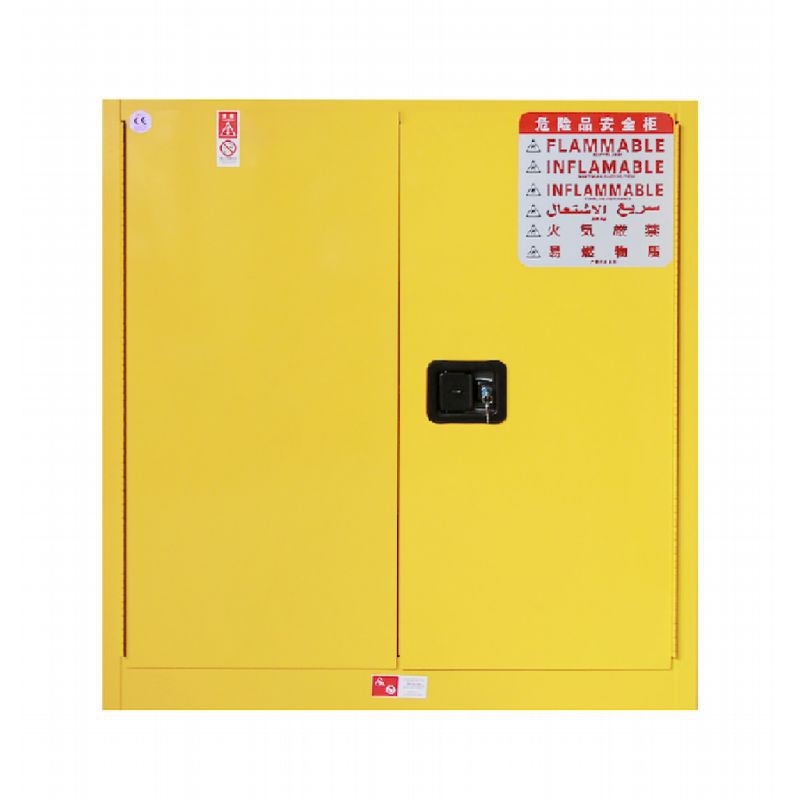

- Inspection: Conduct regular inspections of the cabinet to check for any signs of damage, such as dents, cracks, or loose hinges. Inspect the filters in filtered cabinets to ensure they are clean and functioning properly. Replace any damaged parts or filters immediately.
- Cleaning: Keep the interior and exterior of the cabinet clean. Wipe up any spills or residues promptly using appropriate cleaning agents. Avoid using abrasive cleaners that may damage the cabinet's surface.
- Testing: Test the ventilation systems and other safety features of the cabinet regularly to ensure they are working correctly. Follow the manufacturer's instructions for testing procedures.
Employee Training
Proper employee training is essential for the safe storage of VOCs in safety cabinets. Employees should be trained on the following:
- Hazard Awareness: Educate employees about the hazards associated with VOCs, including their health effects and the risk of fire and explosion.
- Cabinet Use: Train employees on how to properly use the safety cabinet, including opening and closing the doors, accessing the contents, and using the ventilation systems.
- Emergency Procedures: Teach employees the appropriate emergency procedures in case of a spill, fire, or other incidents involving VOCs. This includes how to use fire extinguishers, evacuate the area, and report the incident.
Regulatory Compliance
When storing VOCs in safety cabinets, it's important to comply with relevant regulations. These regulations may vary depending on the location and the type of industry. For example, in the United States, the Occupational Safety and Health Administration (OSHA) has specific requirements for the storage of flammable and combustible liquids. Make sure your safety cabinet and storage practices meet all applicable regulations to avoid fines and ensure a safe working environment.
Conclusion
Storing volatile organic compounds in a safety cabinet is a critical aspect of workplace safety. By choosing the right cabinet, placing it correctly, organizing the storage, maintaining the cabinet, training employees, and complying with regulations, you can minimize the risks associated with VOCs. As a safety cabinet supplier, we are committed to providing high - quality products and expert advice to help you meet your storage needs. If you are interested in learning more about our safety cabinets or have any questions regarding the storage of VOCs, please feel free to contact us for a procurement discussion. We look forward to working with you to ensure the safety of your workplace.
References
- Occupational Safety and Health Administration (OSHA). Flammable and Combustible Liquids Standards.
- National Fire Protection Association (NFPA). NFPA 30: Flammable and Combustible Liquids Code.
- American National Standards Institute (ANSI). ANSI Z43.1: Safety Code for General Laboratory Equipment.