




What are the noise levels associated with automated storage equipment?
 Dec 02, 2025|
 Hey there! As a supplier of storage equipment, I often get asked about the noise levels associated with automated storage equipment. It's a valid concern, especially in environments where noise can be a real nuisance or even a safety hazard. So, let's dive into this topic and explore what you need to know.
First off, it's important to understand that the noise levels of automated storage equipment can vary widely depending on several factors. The type of equipment, its size, the speed at which it operates, and the materials it's made of all play a role in determining how much noise it will produce.
For instance, a small, slow - moving automated drawer system might make only a gentle hum as it slides in and out. On the other hand, a large, high - speed vertical lift module that's constantly shuttling trays up and down could be significantly louder.
Let's start with some of the common types of automated storage equipment and their typical noise levels.
Vertical Lift Modules (VLMs)
VLMs are popular in many warehouses and industrial settings. They consist of a series of trays that are stored vertically and can be retrieved quickly. These machines usually have motors and conveyor systems to move the trays. The noise they generate can range from around 60 to 70 decibels (dB) when operating at normal speeds. To put that in perspective, 60 dB is about the level of normal conversation. So, while it's not extremely loud, it can still be noticeable in a quiet environment.
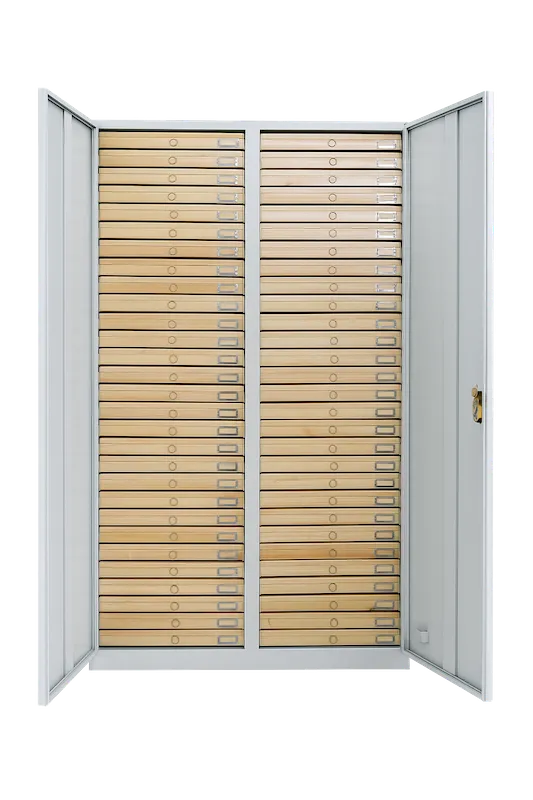

However, if the VLM is running at high - speed or if there are issues with the mechanical components, like loose belts or misaligned tracks, the noise level can increase. A poorly maintained VLM might reach up to 80 dB, which is comparable to the noise of a vacuum cleaner.
Automated Guided Vehicles (AGVs)
AGVs are self - driving vehicles that transport goods around a facility. They use various sensors and motors to move. The noise from an AGV depends on its size and the type of surface it's traveling on. Smaller AGVs used in cleanroom environments might produce as little as 50 dB, which is similar to the sound of a quiet library.
Larger AGVs, especially those used in heavy - duty industrial settings, can generate up to 75 dB. This is because they have more powerful motors and may be moving heavier loads. The noise can also be affected by the type of tires they use. Harder tires on a concrete floor can create more noise compared to softer rubber tires.
Carousels
Carousels are circular storage systems that rotate to bring items to the operator. They typically use electric motors to turn the carousel. The noise level of a carousel is usually in the range of 55 to 65 dB. This is similar to the sound of a refrigerator running. The noise can be slightly higher if the carousel is old and the bearings are worn out.
Now, why does the noise level matter? Well, for one, excessive noise can be a distraction in the workplace. It can make it difficult for employees to communicate effectively, which can lead to errors and safety issues. In addition, long - term exposure to high - level noise can cause hearing damage. That's why it's important to keep the noise levels of automated storage equipment under control.
There are several ways to reduce the noise generated by automated storage equipment. One of the simplest methods is proper maintenance. Regularly checking and lubricating the moving parts, tightening loose bolts, and replacing worn - out components can significantly reduce noise. For example, if a conveyor belt on a VLM is loose, it can create a rattling noise. Tightening the belt or replacing it if it's too worn can solve the problem.
Another way is to use noise - absorbing materials. Many modern storage equipment manufacturers are incorporating sound - dampening materials into their designs. For example, adding rubber gaskets to the doors of cabinets or lining the inside of a carousel with acoustic foam can help reduce the noise that escapes.
If you're in the market for storage equipment, you might be interested in some of the products we offer. We have a Filtered Air Clean Chemical Storage Cabinet that not only provides a safe and clean environment for storing chemicals but also operates quietly. It's designed with advanced noise - reduction features to keep the noise level to a minimum.
Our Insect Specimen Cabinet is another great option. It's built with precision to ensure that it doesn't make much noise while protecting the delicate insect specimens. And if you're looking for a solution to manage reagents, our Reagent Management System is not only efficient but also relatively quiet in operation.
When choosing automated storage equipment, it's a good idea to ask the supplier about the noise levels. You can also request a demonstration to hear the equipment in action. This way, you can make an informed decision based on your specific needs and the environment where the equipment will be used.
If you're interested in learning more about our storage equipment or have questions about noise levels and how to manage them, don't hesitate to reach out to us. We're here to help you find the right storage solutions for your business. Whether you're a small laboratory or a large - scale manufacturing facility, we have the expertise and products to meet your requirements.
In conclusion, understanding the noise levels associated with automated storage equipment is crucial for creating a comfortable and safe workplace. By choosing the right equipment, maintaining it properly, and using noise - reduction techniques, you can minimize the impact of noise on your operations. So, if you're thinking about upgrading your storage systems, give us a call and let's have a chat about your options.
References
- Occupational Safety and Health Administration (OSHA). "Noise Exposure." Accessed [Date].
- International Organization for Standardization (ISO). "Acoustics - Measurement of noise emitted by machinery and equipment." ISO standard [Number].