




What are the safety precautions when using ventilation equipment?
 Jun 23, 2025|
Safety Precautions When Using Ventilation Equipment
As a reputable ventilation equipment supplier, I understand the critical importance of safety when it comes to the use of our products. Ventilation equipment plays a vital role in maintaining a healthy and safe environment in various settings, including industrial facilities, laboratories, and commercial buildings. In this blog post, I will outline some essential safety precautions that users should take when operating ventilation equipment.
1. Installation and Setup
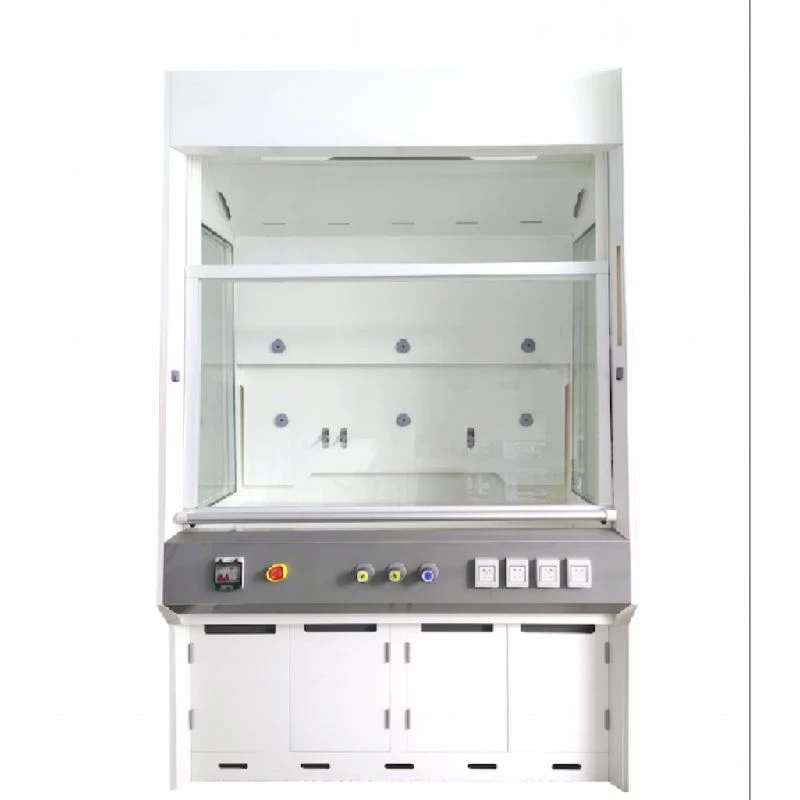
- Proper Location: Ensure that the ventilation equipment is installed in a suitable location. For example, exhaust fans should be placed in areas where they can effectively remove contaminants from the air. In a laboratory, fume hoods should be installed away from high - traffic areas and sources of heat or direct sunlight. The PP Acid - Resistant Laboratory Cabinet is a great example of ventilation equipment that needs to be installed in a proper location to function safely and efficiently. It should be placed in a well - ventilated area within the laboratory, away from any potential sources of ignition or chemical reactions.
- Correct Installation: Follow the manufacturer's installation instructions carefully. Incorrect installation can lead to poor performance, increased energy consumption, and even safety hazards. For instance, improper ductwork installation can cause air leaks, which may allow contaminants to escape into the surrounding environment. When installing the Fiberglass Reinforced Plastic Centrifugal Fans Type A, make sure that all connections are tight and secure, and the fan is properly balanced to prevent vibration and noise.
- Electrical Safety: When dealing with the electrical aspects of ventilation equipment, use a qualified electrician for installation and maintenance. Ensure that the equipment is properly grounded to prevent electrical shocks. Check the electrical cords for any signs of damage, such as fraying or exposed wires, and replace them immediately if necessary.
2. Regular Maintenance
- Cleaning: Regularly clean the ventilation equipment to prevent the buildup of dust, dirt, and other contaminants. A dirty ventilation system can reduce the efficiency of the equipment and increase the risk of fire. For example, the filters in air handling units should be cleaned or replaced at regular intervals. In a kitchen ventilation system, the grease traps and ducts need to be cleaned frequently to prevent grease fires.
- Inspection: Conduct routine inspections of the ventilation equipment. Check for any signs of wear and tear, such as loose belts, damaged blades, or corroded parts. Inspect the ductwork for leaks, blockages, or damage. For instance, a blocked duct can cause back - pressure, which may damage the fan motor.
- Lubrication: If the ventilation equipment has moving parts that require lubrication, follow the manufacturer's recommendations for lubrication intervals and the type of lubricant to use. Proper lubrication can extend the life of the equipment and reduce friction and noise.
3. User Training
- Proper Operation: Train all users on how to operate the ventilation equipment correctly. This includes understanding the controls, starting and stopping procedures, and emergency shutdown procedures. For example, in a laboratory setting, users should know how to adjust the airflow rate of the fume hood to ensure proper containment of hazardous chemicals.
- Safety Awareness: Educate users about the potential hazards associated with the ventilation equipment and the importance of following safety procedures. For instance, users should be aware that working too close to an operating exhaust fan can cause injury from the moving blades. They should also know the proper use of personal protective equipment (PPE) when working in areas where ventilation equipment is in use.
4. Monitoring and Testing
- Air Quality Monitoring: Install air quality monitoring devices to ensure that the ventilation system is effectively removing contaminants from the air. This can help detect any problems with the ventilation system early on and allow for timely corrective action. For example, in a manufacturing facility, air quality sensors can be used to monitor the levels of harmful gases such as carbon monoxide and volatile organic compounds (VOCs).
- Performance Testing: Periodically test the performance of the ventilation equipment to ensure that it is operating at its optimal level. This may include measuring the airflow rate, pressure, and temperature. If the performance of the equipment is below the specified standards, investigate the cause and take appropriate measures to correct it.
5. Emergency Preparedness
- Emergency Shutdown: Know the location of the emergency shutdown switch for the ventilation equipment and ensure that it is easily accessible. In case of an emergency, such as a fire or a chemical spill, the ventilation system can be quickly shut down to prevent the spread of contaminants.
- First Aid Equipment: Have appropriate first - aid equipment, such as the Eyewasher, readily available in areas where ventilation equipment is used. In case of accidental exposure to chemicals or other hazardous substances, the eyewasher can be used to flush the eyes and prevent serious injury.
6. Chemical Compatibility
- Material Selection: When using ventilation equipment in environments where chemicals are present, ensure that the materials used in the construction of the equipment are compatible with the chemicals. For example, in a chemical laboratory, the ventilation ducts and fume hoods should be made of materials that are resistant to corrosion from acids, bases, and other chemicals.
- Ventilation for Chemical Processes: For specific chemical processes, design the ventilation system to handle the unique requirements of those processes. For example, some chemical reactions may produce highly toxic or flammable gases, which require a specialized ventilation system with higher airflow rates and additional safety features.
Conclusion
Safety is of utmost importance when using ventilation equipment. By following these safety precautions, users can ensure the proper operation of the equipment, protect the health and safety of personnel, and prevent potential hazards. As a ventilation equipment supplier, we are committed to providing high - quality products and offering comprehensive support to our customers to ensure the safe and efficient use of our ventilation equipment.
If you are interested in purchasing ventilation equipment or have any questions about safety precautions, please feel free to contact us for a detailed discussion and procurement negotiation. We are here to assist you in finding the best ventilation solutions for your specific needs.

References
- ASHRAE Handbook of Fundamentals.
- OSHA (Occupational Safety and Health Administration) Guidelines for Ventilation Systems in the Workplace.
- Manufacturer's Manuals for Ventilation Equipment.