




What is the difference between a single - stage and multi - stage lab extraction arm?
 Jun 26, 2026|
 Hey there! As a supplier of lab extraction arms, I get asked a lot about the difference between single-stage and multi-stage lab extraction arms. So, I thought I'd take a few minutes to break it down for you.
First off, let's talk about what a lab extraction arm is. In simple terms, it's a piece of equipment used in laboratories to capture and remove harmful fumes, vapors, and dust generated during experimental processes. It's like a superhero for your lab, protecting you and your colleagues from potentially dangerous substances.
Single-Stage Lab Extraction Arms
A single-stage lab extraction arm is, as the name suggests, a system with one stage of filtration or air movement. These arms are generally simpler in design and are suitable for less demanding applications.
How They Work
Single-stage extraction arms typically have a fan that draws air through the arm and into a filter. The filter catches the contaminants, and the clean air is then released back into the lab. They're pretty straightforward and easy to operate.
Advantages
- Cost-Effective: They're usually less expensive than multi-stage systems, making them a great option for smaller labs or those on a tight budget.
- Simple Maintenance: With fewer components, there's less to go wrong, and maintenance is generally easier and less time-consuming.
- Space-Saving: Their simpler design often means they take up less space in the lab, which can be a big plus if you're short on room.
Disadvantages
- Limited Filtration: They may not be as effective at removing certain types of contaminants, especially those that require multiple levels of filtration.
- Lower Airflow Capacity: Single-stage arms typically have a lower airflow capacity, which means they may not be able to handle large volumes of fumes or dust.
Multi-Stage Lab Extraction Arms
Multi-stage lab extraction arms, on the other hand, have multiple stages of filtration or air movement. These systems are more complex but offer greater efficiency and effectiveness.
How They Work
Multi-stage arms use a series of filters and fans to capture and remove contaminants. The air passes through different filters, each designed to target specific types of pollutants. This ensures a higher level of purification.
Advantages
- High Filtration Efficiency: They can remove a wider range of contaminants, including fine particles and hazardous chemicals, providing better protection for lab workers.
- Greater Airflow Capacity: Multi-stage systems can handle larger volumes of fumes and dust, making them suitable for high-intensity applications.
- Customizable: You can often customize the filtration stages to meet the specific needs of your lab, ensuring optimal performance.
Disadvantages
- Higher Cost: These systems are generally more expensive than single-stage arms, both in terms of the initial purchase price and ongoing maintenance costs.
- Complex Installation and Maintenance: The additional components and complexity of multi-stage systems mean they require more expertise to install and maintain.
When to Choose a Single-Stage or Multi-Stage Arm
So, how do you decide which type of extraction arm is right for your lab? Here are some factors to consider:
Nature of the Work
- If you're working with relatively low levels of contaminants or performing simple experiments, a single-stage arm may be sufficient. For example, if you're just doing basic chemical reactions that produce minimal fumes, a single-stage arm can get the job done.
- On the other hand, if you're working with hazardous chemicals, heavy metals, or performing high-volume experiments, a multi-stage arm is a better choice. For instance, in a lab that conducts Atomic Absorption Spectrophotometer tests, where there's a risk of inhaling harmful particles, a multi-stage arm provides the necessary protection.
Budget
- If cost is a major concern, a single-stage arm may be the way to go. It offers a more affordable option without sacrificing too much in terms of basic functionality.
- However, if you have the budget and need the highest level of protection and performance, investing in a multi-stage arm is worth considering.
Space Constraints
- If your lab is small and space is limited, a single-stage arm's compact design may be more suitable.
- But if you have enough space and need a high-capacity system, a multi-stage arm can be accommodated without causing too much disruption.
Our Product Offerings
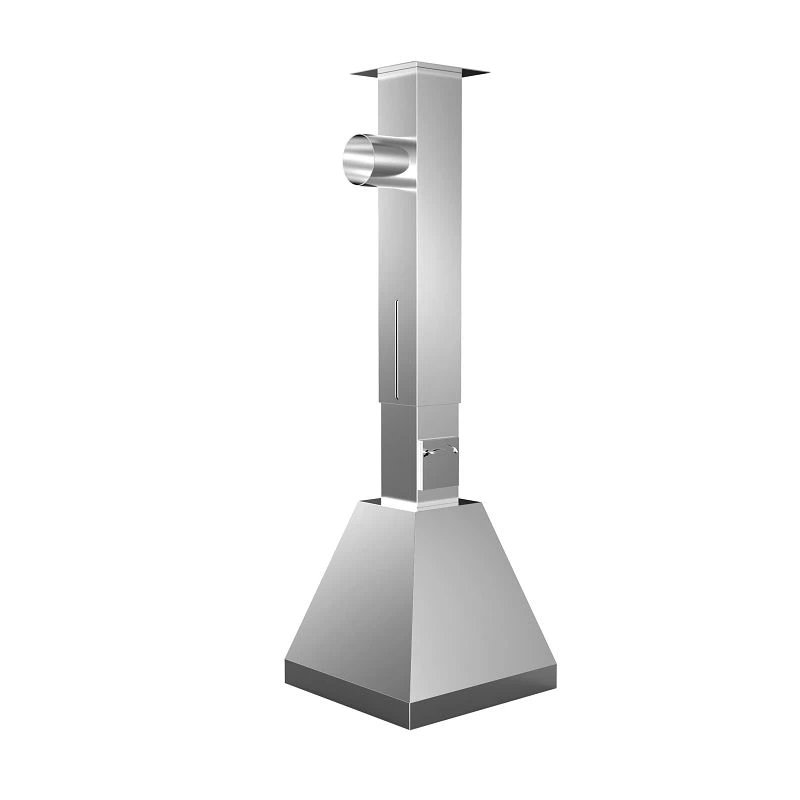
As a lab extraction arm supplier, we offer a range of single-stage and multi-stage extraction arms to meet your needs. Our Lab Table Arm Hood is a popular single-stage option, perfect for smaller labs or those on a budget. It's easy to install and provides reliable protection against common contaminants.
For more demanding applications, our 110mm diameter Arm Hood is a multi-stage system that offers high filtration efficiency and a large airflow capacity. It's designed to handle a wide range of contaminants, making it suitable for a variety of lab environments.
Let's Talk!
If you're still not sure which type of extraction arm is right for your lab, or if you have any questions about our products, don't hesitate to reach out. We're here to help you make the best decision for your needs. Whether you're a small research lab or a large industrial facility, we have the expertise and products to keep your workspace safe and clean.

So, what are you waiting for? Contact us today to discuss your lab extraction arm requirements and start the procurement process. We look forward to working with you!
References
- Laboratory Ventilation Best Practices, American National Standards Institute (ANSI)
- Guidelines for Safe Laboratory Practices, Occupational Safety and Health Administration (OSHA)