




How to adjust the suction power of a lab extraction arm?
 Dec 12, 2025|
Adjusting the suction power of a lab extraction arm is a crucial task that directly impacts the efficiency and safety of laboratory operations. As a trusted supplier of lab extraction arms, I understand the importance of providing clear guidance on this topic. In this blog post, I will share some valuable insights on how to adjust the suction power of a lab extraction arm effectively.
Understanding the Importance of Suction Power
Before delving into the adjustment process, it's essential to understand why suction power matters in a laboratory setting. A lab extraction arm is designed to capture and remove harmful fumes, gases, and particulate matter generated during various experiments and processes. Adequate suction power ensures that these contaminants are effectively removed from the work area, protecting the health and safety of laboratory personnel.
Insufficient suction power can lead to poor air quality, allowing hazardous substances to accumulate in the laboratory environment. This can pose serious health risks, including respiratory problems, chemical exposure, and long - term health issues. On the other hand, excessive suction power can cause unnecessary energy consumption and may disrupt the stability of delicate experiments. Therefore, finding the optimal suction power is key to maintaining a safe and efficient laboratory.
Factors Affecting Suction Power
Several factors can influence the suction power of a lab extraction arm. Understanding these factors is essential for making accurate adjustments.
- Duct Length and Diameter: The length and diameter of the duct connected to the extraction arm play a significant role in determining suction power. Longer ducts and smaller diameters can increase resistance, reducing the overall suction at the hood. For example, if you are using a 110mm diameter Arm Hood, the duct diameter should be carefully considered to ensure proper airflow.
- Hood Design and Size: Different hood designs and sizes have varying levels of suction efficiency. A well - designed hood can capture contaminants more effectively, enhancing the overall suction performance. The Double - Section Lab Arm Hood is an example of a hood design that may offer improved suction capabilities due to its unique structure.
- Fan Capacity: The capacity of the fan used in the extraction system is a critical factor. A more powerful fan can generate higher suction, but it also needs to be properly matched with the rest of the system. If the fan is too small, it may not provide sufficient suction, while an oversized fan can lead to energy waste.
- Obstructions: Any obstructions in the duct or around the hood can significantly reduce suction power. This includes debris, dust, or even improper positioning of equipment near the hood. Regular inspection and cleaning of the extraction system are necessary to prevent such obstructions.
Steps to Adjust Suction Power
Now that we understand the factors affecting suction power, let's discuss the steps to adjust it.
Step 1: Assess the Current Situation
Before making any adjustments, it's important to assess the current suction power of the lab extraction arm. You can use a flow meter or an anemometer to measure the airflow velocity at the hood. This will give you a baseline understanding of the system's performance. Also, observe the capture efficiency of the hood by performing simple tests, such as releasing a small amount of smoke near the hood and checking if it is effectively captured.
Step 2: Check for Obstructions
Inspect the entire extraction system for any obstructions. Start by examining the hood for any debris or blockages. Then, check the duct for kinks, bends, or accumulated dust. If you find any obstructions, remove them carefully. This simple step can often improve suction power significantly.
Step 3: Adjust the Fan Settings
Most lab extraction arms are equipped with fans that have adjustable settings. Locate the fan control panel, which may be a variable frequency drive (VFD) or a simple speed controller. If you are using a VFD, you can adjust the frequency to change the fan speed. Increasing the frequency will generally increase the fan speed and suction power, while decreasing it will have the opposite effect. Make small adjustments and re - measure the airflow after each change to find the optimal setting.
Step 4: Consider Duct Modifications
If the duct length or diameter is causing issues with suction power, you may need to consider modifying the duct system. If the duct is too long, you can try to shorten it or use a larger diameter duct. However, any modifications should be done carefully, taking into account the overall design and layout of the laboratory.
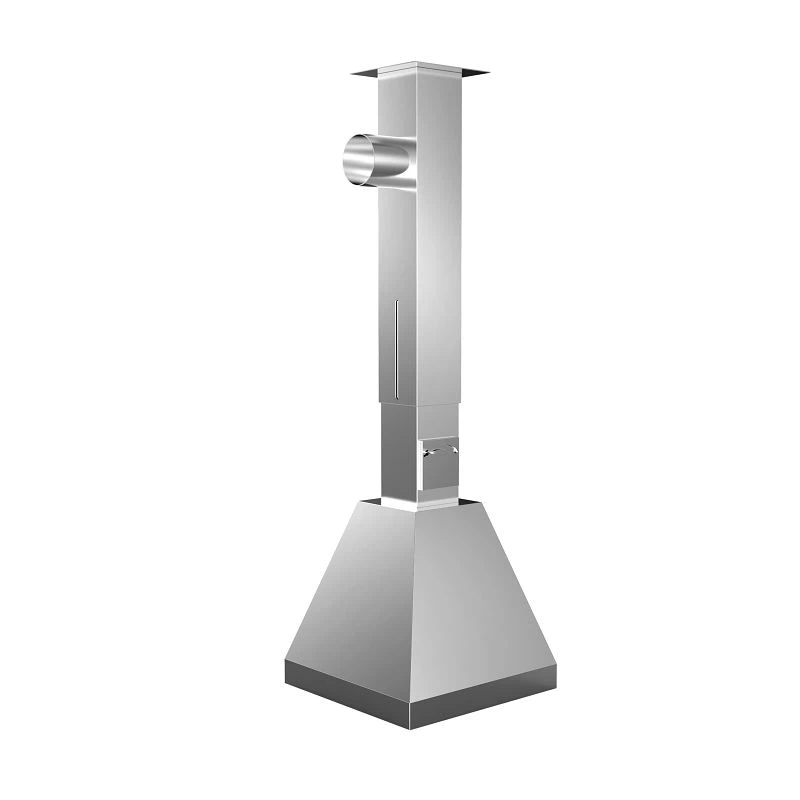

Step 5: Hood Positioning
Proper positioning of the hood is crucial for optimal suction. Ensure that the hood is placed at the correct height and angle relative to the source of contaminants. For example, when using the extraction arm with an Atomic Absorption Spectrophotometer, the hood should be positioned in a way that effectively captures the fumes generated by the instrument.
Monitoring and Maintenance
Once you have adjusted the suction power, it's important to monitor the system regularly. Continuously measure the airflow and observe the capture efficiency of the hood. This will help you detect any changes in performance over time.
Regular maintenance of the extraction system is also essential. Clean the hood and duct regularly to prevent the accumulation of dust and debris. Check the fan for any signs of wear and tear, and lubricate it if necessary. By maintaining the system properly, you can ensure consistent suction power and extend the lifespan of the lab extraction arm.
Conclusion
Adjusting the suction power of a lab extraction arm is a multi - step process that requires careful consideration of various factors. By understanding the factors affecting suction power, following the adjustment steps, and implementing regular monitoring and maintenance, you can ensure that your lab extraction arm operates at its optimal level.
As a supplier of lab extraction arms, we are committed to providing high - quality products and comprehensive support. If you have any questions about adjusting the suction power of your lab extraction arm or are interested in purchasing a new extraction arm, please feel free to contact us for a detailed discussion. We look forward to helping you create a safe and efficient laboratory environment.
References
- "Laboratory Ventilation Design Guide", American Society of Heating, Refrigerating and Air - Conditioning Engineers (ASHRAE).
- "Industrial Ventilation: A Manual of Recommended Practice", American Conference of Governmental Industrial Hygienists (ACGIH).