




How to organize storage equipment for better efficiency?
 Dec 18, 2025|
 Efficient storage equipment organization is a crucial aspect of any business operation, especially in industries that rely heavily on inventory management, scientific research, or specimen preservation. As a leading storage equipment supplier, we understand the challenges that businesses face in optimizing their storage solutions. In this blog post, we will share some valuable insights and practical tips on how to organize storage equipment for better efficiency.
Understanding the Importance of Storage Organization
Effective storage organization is not just about making your workspace look neat and tidy. It is directly linked to a company's productivity, cost savings, and overall operational success. When storage equipment is well - organized, it reduces the time employees spend searching for items, minimizes the risk of damage or loss, and improves inventory accuracy.
For example, in a laboratory setting, proper organization of storage equipment can prevent cross - contamination, ensure the integrity of reagents, and speed up the research process. In an industrial warehouse, organized storage can lead to streamlined picking and packing operations, reducing order fulfillment times.
Assessing Your Storage Needs
The first step in organizing storage equipment for better efficiency is to conduct a thorough assessment of your storage needs. This involves:
- Inventory Analysis: Take stock of all the items you need to store. Categorize them based on size, weight, usage frequency, and any special storage requirements such as temperature or humidity control.
- Space Evaluation: Measure the available storage space, including height, width, and length. Consider the layout of the room, existing infrastructure, and future expansion plans.
- Workflow Consideration: Analyze the flow of goods in and out of the storage area. Identify the most efficient paths for receiving, storing, and retrieving items.
Choosing the Right Storage Equipment
Based on your storage needs assessment, select the appropriate storage equipment. Here are some common types of storage equipment and their applications:
Shelving Units
Shelving units are versatile and can be used to store a wide range of items, from small parts to large boxes. They come in various sizes, materials (such as metal, wood, or plastic), and configurations. Adjustable shelving is particularly useful as it allows you to customize the storage space according to the size of your items.
Racks
Rack systems, such as pallet racks, are ideal for storing large, heavy items or pallets. They maximize vertical space and provide easy access to stored goods. Different types of rack systems, such as selective racks, drive - in racks, and push - back racks, offer different levels of accessibility and storage density.
Cabinets
Cabinets are great for storing items that need to be protected from dust, moisture, or unauthorized access. For instance, the Reagent Management System is specifically designed for laboratories to store reagents safely and efficiently. It often comes with features like temperature control, barcode scanning, and inventory management software.
The Nitrogen Cabinet is another specialized cabinet that uses nitrogen gas to create an inert environment, which is essential for storing sensitive materials such as electronic components, chemicals, and biological samples.
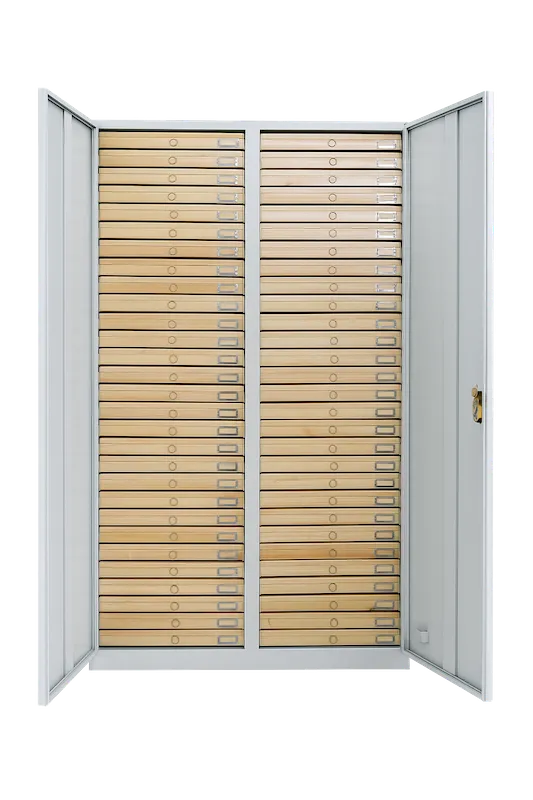
The Insect Specimen Cabinet is designed for entomology research. It provides a controlled environment to preserve insect specimens, protecting them from pests, humidity, and light damage.
Implementing a Logical Storage System
Once you have chosen the right storage equipment, it's time to implement a logical storage system. Here are some strategies:
Categorization
Group similar items together. For example, in a warehouse, you can group products by category, brand, or order of popularity. In a laboratory, reagents can be grouped by chemical type or usage frequency.
Labeling
Clearly label all storage locations and items. Labels should include the name of the item, storage location details (such as aisle number, shelf number), and any relevant safety information. This makes it easy for employees to find what they need quickly.
Zoning
Divide the storage area into different zones based on the type of items or the workflow. For example, you can have a receiving zone, a storage zone, and a picking zone in a warehouse. In a laboratory, you might have a zone for general reagents, a zone for hazardous chemicals, and a zone for biological specimens.
Regular Maintenance and Auditing
Organizing storage equipment is not a one - time task. Regular maintenance and auditing are essential to ensure long - term efficiency.
Maintenance
Keep the storage equipment in good condition. This includes checking for any signs of damage, such as broken shelves, loose bolts, or malfunctioning locks. Clean the storage equipment regularly to prevent the accumulation of dust and debris, which can damage stored items.
Auditing
Conduct regular inventory audits to ensure that the actual inventory matches the records. This helps to identify any discrepancies, such as missing items or overstocking. Use the audit results to make adjustments to your storage organization system as needed.
Training Employees
Your employees play a crucial role in maintaining an organized storage system. Provide them with proper training on how to use the storage equipment correctly, follow the storage system rules, and handle the stored items safely.

Conclusion
Organizing storage equipment for better efficiency is a multi - step process that requires careful planning, the right equipment, and ongoing management. By following the tips outlined in this blog post, you can create a more organized, productive, and cost - effective storage environment.
As a storage equipment supplier, we are committed to helping businesses optimize their storage solutions. If you are interested in learning more about our products or need assistance in organizing your storage equipment, we encourage you to reach out for a procurement discussion. We have a team of experts who can provide you with customized solutions based on your specific needs.
References
- Smith, J. (2019). "Best Practices in Warehouse Storage Organization". Logistics Journal.
- Brown, A. (2020). "Laboratory Storage Management: A Guide to Efficiency". Science Lab Review.