




What are the best storage equipment for storing perishable goods?
 Dec 18, 2025|
 As a seasoned supplier of storage equipment, I've witnessed firsthand the critical role that proper storage plays in preserving perishable goods. Perishable items such as food, pharmaceuticals, and certain chemicals require specific environmental conditions to maintain their quality and safety. In this blog post, I'll explore the best storage equipment options for storing perishable goods, highlighting their features, benefits, and applications.
Refrigerators and Freezers
Refrigerators and freezers are perhaps the most common types of storage equipment for perishable goods. They work by removing heat from the storage space, thereby lowering the temperature and slowing down the growth of bacteria, mold, and other microorganisms. This helps to extend the shelf life of perishable items and maintain their freshness.
Features and Benefits
- Temperature Control: Refrigerators and freezers offer precise temperature control, allowing you to set the ideal temperature for different types of perishable goods. For example, fresh produce typically requires a temperature between 32°F and 40°F, while frozen foods need to be stored at 0°F or below.
- Humidity Control: Some refrigerators and freezers also feature humidity control, which helps to prevent the drying out or spoilage of perishable items. This is particularly important for storing fresh fruits and vegetables, which can lose moisture quickly if the humidity is too low.
- Energy Efficiency: Modern refrigerators and freezers are designed to be energy-efficient, which can help to reduce your operating costs over time. Look for models with the Energy Star label, which indicates that they meet strict energy efficiency guidelines set by the U.S. Environmental Protection Agency.
- Storage Capacity: Refrigerators and freezers come in a variety of sizes and configurations, allowing you to choose the one that best suits your needs. Whether you need a small under-counter refrigerator for your home kitchen or a large commercial freezer for your restaurant or grocery store, there's a model available to meet your requirements.
Applications
- Food Storage: Refrigerators and freezers are essential for storing a wide range of perishable food items, including meat, poultry, seafood, dairy products, fruits, vegetables, and prepared meals. They help to keep food fresh and safe to eat, reducing the risk of foodborne illness.
- Pharmaceutical Storage: Many medications and vaccines require refrigeration to maintain their effectiveness. Refrigerators and freezers are used in hospitals, pharmacies, and research laboratories to store these temperature-sensitive products.
- Chemical Storage: Some chemicals and reagents are also perishable and need to be stored at low temperatures. Refrigerators and freezers can be used to store these items, ensuring their stability and integrity.
Cold Rooms
Cold rooms are large, walk-in storage facilities that are designed to maintain a specific temperature and humidity level. They are commonly used in the food industry, as well as in other industries that require the storage of perishable goods.

Features and Benefits
- Large Storage Capacity: Cold rooms can be customized to meet your specific storage needs, with capacities ranging from a few hundred cubic feet to several thousand cubic feet. This makes them ideal for storing large quantities of perishable goods.
- Temperature and Humidity Control: Cold rooms offer precise temperature and humidity control, allowing you to create the ideal storage environment for your perishable items. This helps to ensure their quality and safety, while also extending their shelf life.
- Energy Efficiency: Like refrigerators and freezers, modern cold rooms are designed to be energy-efficient. They use advanced insulation materials and energy-saving technologies to reduce energy consumption and operating costs.
- Accessibility: Cold rooms are typically equipped with large doors and ramps, making it easy to load and unload perishable goods. This improves efficiency and reduces the risk of damage to the products.
Applications
- Food Processing and Distribution: Cold rooms are widely used in the food processing and distribution industry to store raw materials, finished products, and ingredients. They help to maintain the quality and safety of these items during storage and transportation.
- Floral Industry: Flowers are highly perishable and require a specific temperature and humidity level to stay fresh. Cold rooms are used in the floral industry to store cut flowers, potted plants, and floral arrangements, ensuring their longevity and beauty.
- Medical and Pharmaceutical Industry: Cold rooms are also used in the medical and pharmaceutical industry to store vaccines, blood products, and other temperature-sensitive medications. They help to maintain the effectiveness and safety of these products, which are critical for patient health.
Filtered Air Clean Chemical Storage Cabinet
When it comes to storing perishable chemicals, a Filtered Air Clean Chemical Storage Cabinet is an excellent choice. These cabinets are designed to provide a clean and safe storage environment for chemicals, protecting them from contamination and degradation.
Features and Benefits
- Filtered Air System: The filtered air system in these cabinets helps to remove dust, dirt, and other contaminants from the air, ensuring a clean storage environment for perishable chemicals. This helps to prevent the degradation of the chemicals and extends their shelf life.
- Chemical Resistance: Filtered air clean chemical storage cabinets are made from materials that are resistant to chemicals, ensuring that they can safely store a wide range of perishable chemicals. This helps to prevent leaks and spills, which can be dangerous and costly.
- Ventilation: These cabinets are equipped with a ventilation system that helps to remove any fumes or vapors that may be released by the chemicals. This helps to maintain a safe working environment and reduces the risk of exposure to harmful chemicals.
- Security: Filtered air clean chemical storage cabinets are typically equipped with locks and other security features, ensuring that only authorized personnel can access the chemicals. This helps to prevent theft and misuse of the chemicals.
Applications
- Laboratory and Research Facilities: Filtered air clean chemical storage cabinets are commonly used in laboratory and research facilities to store perishable chemicals, reagents, and samples. They help to maintain the integrity and safety of these items, which are critical for accurate research results.
- Industrial and Manufacturing Facilities: These cabinets are also used in industrial and manufacturing facilities to store perishable chemicals and solvents. They help to prevent the contamination of the production process and ensure the quality of the final products.
- Healthcare Facilities: Filtered air clean chemical storage cabinets are used in healthcare facilities to store perishable medications, vaccines, and other medical supplies. They help to maintain the effectiveness and safety of these items, which are critical for patient health.
Reagent Management System
A Reagent Management System is a software-based solution that helps to manage the storage, tracking, and inventory of perishable reagents. This system is particularly useful in laboratory and research facilities, where the proper management of reagents is critical for accurate research results.
Features and Benefits
- Inventory Management: The reagent management system allows you to track the inventory of perishable reagents in real-time, ensuring that you always have the right reagents on hand when you need them. This helps to prevent stockouts and delays in the research process.
- Expiration Date Tracking: The system also tracks the expiration dates of perishable reagents, ensuring that you use them before they expire. This helps to prevent the use of expired reagents, which can lead to inaccurate research results.
- Barcode Scanning: Many reagent management systems are equipped with barcode scanning technology, which allows you to quickly and accurately scan the barcodes on the reagent containers. This helps to reduce the risk of human error and improves the efficiency of the inventory management process.
- Reporting and Analytics: The system provides detailed reports and analytics on the usage, inventory, and expiration dates of perishable reagents. This helps you to make informed decisions about reagent purchasing, storage, and usage, and to identify any potential issues or trends.
Applications
- Laboratory and Research Facilities: Reagent management systems are commonly used in laboratory and research facilities to manage the storage, tracking, and inventory of perishable reagents. They help to improve the efficiency and accuracy of the research process, while also reducing the risk of errors and waste.
- Clinical Laboratories: These systems are also used in clinical laboratories to manage the storage and usage of perishable diagnostic reagents. They help to ensure the accuracy and reliability of the diagnostic tests, which are critical for patient diagnosis and treatment.
- Pharmaceutical and Biotechnology Companies: Reagent management systems are used in pharmaceutical and biotechnology companies to manage the storage and usage of perishable reagents and raw materials. They help to ensure the quality and consistency of the products, which are critical for regulatory compliance and market competitiveness.
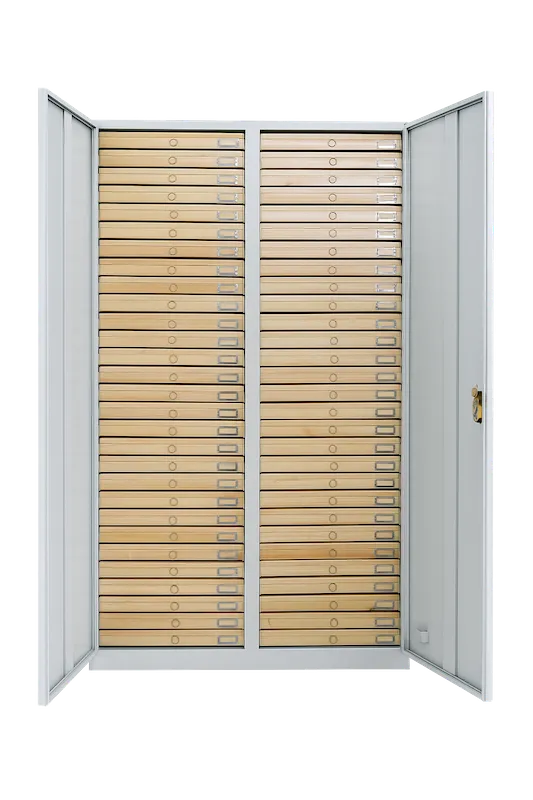
Insect Specimen Cabinet
For those in the field of entomology or natural history, a Insect Specimen Cabinet is an essential piece of storage equipment. These cabinets are designed to provide a safe and secure storage environment for insect specimens, protecting them from damage and deterioration.
Features and Benefits
- Specimen Protection: Insect specimen cabinets are designed to protect insect specimens from dust, dirt, moisture, and other environmental factors that can cause damage or deterioration. They typically feature glass doors and drawers, which allow you to view the specimens without exposing them to the elements.
- Climate Control: Some insect specimen cabinets are equipped with climate control systems, which help to maintain a stable temperature and humidity level inside the cabinet. This helps to prevent the growth of mold and mildew, which can damage the specimens.
- Organization: Insect specimen cabinets are typically designed with multiple drawers and compartments, allowing you to organize the specimens by species, location, or other criteria. This makes it easy to find and access the specimens when you need them.
- Security: Insect specimen cabinets are typically equipped with locks and other security features, ensuring that only authorized personnel can access the specimens. This helps to prevent theft and damage to the specimens.
Applications
- Museums and Collections: Insect specimen cabinets are commonly used in museums and collections to store insect specimens for display and research purposes. They help to preserve the specimens for future generations and ensure their accessibility to researchers and the public.
- Educational Institutions: These cabinets are also used in educational institutions, such as universities and schools, to store insect specimens for teaching and research purposes. They help to provide students with hands-on learning opportunities and enhance their understanding of entomology and natural history.
- Research Facilities: Insect specimen cabinets are used in research facilities to store insect specimens for scientific research. They help to ensure the integrity and safety of the specimens, which are critical for accurate research results.
Conclusion
In conclusion, choosing the right storage equipment for perishable goods is essential for maintaining their quality, safety, and shelf life. Whether you're storing food, pharmaceuticals, chemicals, or insect specimens, there's a storage solution available to meet your needs. By investing in high-quality storage equipment and following proper storage practices, you can ensure that your perishable goods remain fresh and safe for as long as possible.
If you're in the market for storage equipment for perishable goods, I encourage you to contact me to discuss your specific requirements. As a storage equipment supplier, I have the expertise and experience to help you choose the right storage solution for your business. Whether you need a refrigerator, freezer, cold room, filtered air clean chemical storage cabinet, reagent management system, or insect specimen cabinet, I can provide you with the information and support you need to make an informed decision.
Let's work together to find the best storage equipment for your perishable goods and ensure the success of your business.
References
- "Perishable Food Storage Guidelines." FoodSafety.gov. Accessed [Date].
- "Cold Storage Equipment for the Food Industry." Refrigeration and Air Conditioning Contractors of America. Accessed [Date].
- "Chemical Storage Guidelines." Occupational Safety and Health Administration. Accessed [Date].
- "Insect Specimen Collection and Storage." Entomology Today. Accessed [Date].