




What are the temperature and humidity effects on a fume hood?
 Jun 29, 2026|
 Temperature and humidity are two crucial environmental factors that can significantly impact the performance and functionality of fume hoods. As a fume hood supplier, I have witnessed firsthand how these factors can influence the effectiveness of our products. In this blog post, I will delve into the effects of temperature and humidity on fume hoods, exploring how they can affect the safety, efficiency, and longevity of these essential laboratory equipment.
Temperature Effects on Fume Hoods
Airflow and Ventilation
Temperature plays a vital role in the airflow and ventilation within a fume hood. As the temperature rises, the air inside the fume hood becomes less dense, causing it to rise and creating a natural convection current. This can lead to an increase in the upward airflow within the hood, which can affect the capture efficiency of the fume hood. If the temperature is too high, the upward airflow may be too strong, causing the fumes to escape from the hood and into the laboratory environment. On the other hand, if the temperature is too low, the airflow may be too weak, resulting in poor capture efficiency and the accumulation of fumes inside the hood.
Material Integrity
High temperatures can also have a negative impact on the material integrity of the fume hood. Many fume hoods are made of materials such as polypropylene, stainless steel, or fiberglass, which can be affected by heat. Prolonged exposure to high temperatures can cause these materials to warp, crack, or degrade, reducing the structural integrity of the fume hood and potentially compromising its safety. Additionally, high temperatures can also cause the seals and gaskets in the fume hood to expand or contract, leading to leaks and reduced performance.
Chemical Reaction Rates
Temperature can also affect the rates of chemical reactions that occur inside the fume hood. Many chemical reactions are temperature-dependent, meaning that they occur more rapidly at higher temperatures. This can be a concern in a fume hood, as it can lead to the generation of more fumes and potentially hazardous gases. If the temperature inside the fume hood is too high, it can increase the risk of chemical reactions occurring too quickly, leading to the release of toxic fumes and the potential for explosions or fires.
Humidity Effects on Fume Hoods
Corrosion and Rust
Humidity can have a significant impact on the corrosion and rust of the fume hood. High humidity levels can cause moisture to condense on the surfaces of the fume hood, leading to the formation of rust and corrosion. This can not only damage the appearance of the fume hood but also reduce its structural integrity and performance. Additionally, rust and corrosion can also contaminate the samples and chemicals being used in the fume hood, potentially affecting the accuracy of the experimental results.
Mold and Mildew Growth
Humidity can also promote the growth of mold and mildew inside the fume hood. Mold and mildew thrive in warm, moist environments, and the high humidity levels inside a fume hood can provide the perfect conditions for their growth. Mold and mildew can not only cause unpleasant odors but also pose a health risk to laboratory personnel. Inhaling mold spores can cause respiratory problems, allergies, and other health issues.
Electrical Components
Humidity can also affect the electrical components of the fume hood. High humidity levels can cause moisture to accumulate on the electrical components, leading to short circuits and other electrical problems. This can not only damage the fume hood but also pose a safety risk to laboratory personnel. Additionally, moisture can also cause the electrical components to corrode, reducing their lifespan and performance.
Mitigating the Effects of Temperature and Humidity
Temperature Control
To mitigate the effects of temperature on fume hoods, it is important to maintain a stable temperature inside the laboratory. This can be achieved by using air conditioning or heating systems to regulate the temperature. Additionally, it is important to avoid placing the fume hood near sources of heat, such as ovens or heaters, as this can cause the temperature inside the fume hood to rise.
Humidity Control
To mitigate the effects of humidity on fume hoods, it is important to maintain a stable humidity level inside the laboratory. This can be achieved by using dehumidifiers or humidifiers to regulate the humidity. Additionally, it is important to ensure that the fume hood is properly sealed to prevent moisture from entering. Regular cleaning and maintenance of the fume hood can also help to prevent the growth of mold and mildew.
Material Selection
When selecting a fume hood, it is important to consider the materials used in its construction. Choose materials that are resistant to heat, humidity, and corrosion, such as stainless steel or polypropylene. Additionally, ensure that the fume hood is properly insulated to prevent heat transfer and reduce the risk of condensation.

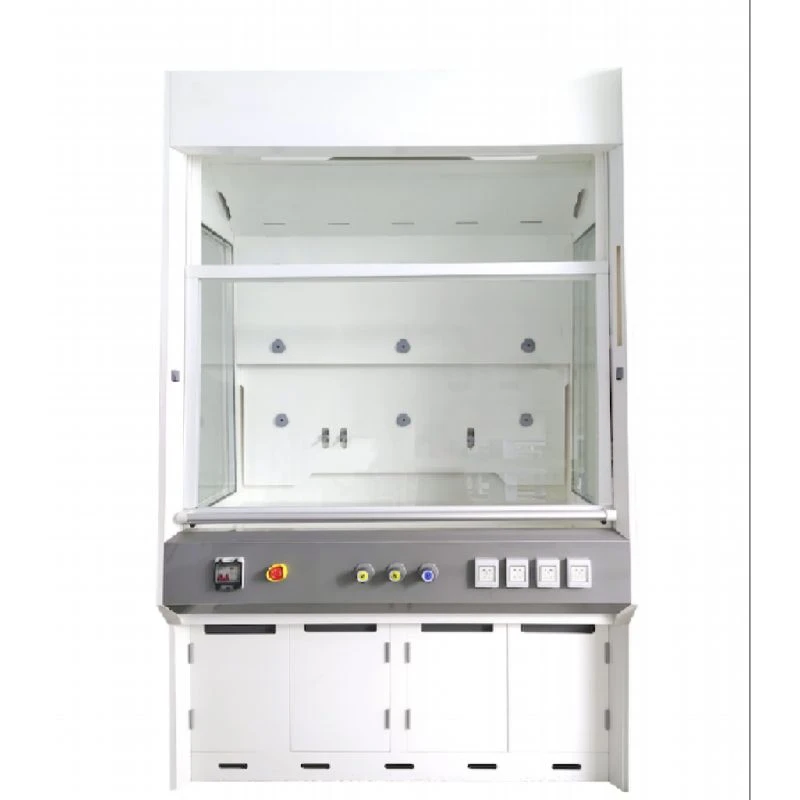
Our Fume Hood Products
As a fume hood supplier, we offer a wide range of fume hoods to meet the needs of different laboratories. Our products include the Zero-leak Fume Hood, which is designed to provide maximum protection against fume leakage. The Zero-leak Fume Hood features a unique design that ensures a tight seal, preventing fumes from escaping into the laboratory environment.
We also offer the PP Acid-Resistant Fume Hood, which is made of high-quality polypropylene material. This fume hood is resistant to acids, alkalis, and other corrosive chemicals, making it ideal for use in laboratories that handle hazardous materials.
In addition, we offer the Normal Fume Hood, which is a cost-effective solution for laboratories that do not require the high level of protection provided by the Zero-leak Fume Hood or the PP Acid-Resistant Fume Hood. The Normal Fume Hood is designed to provide basic protection against fumes and is suitable for use in a variety of laboratory applications.
Contact Us for Purchase and Consultation
If you are in the market for a fume hood, we invite you to contact us for more information. Our team of experts can help you select the right fume hood for your laboratory needs and provide you with detailed information about our products and services. We are committed to providing our customers with high-quality fume hoods that meet the highest standards of safety and performance.
References
- "Fume Hood Design and Performance," National Fire Protection Association (NFPA) 45.
- "Laboratory Ventilation," American Society of Heating, Refrigerating and Air-Conditioning Engineers (ASHRAE) Standard 110.
- "Guide to Laboratory Ventilation," Occupational Safety and Health Administration (OSHA).